How to Prevent Sewer Backup and Drain Clogs in South Florida Homes
A sewer backup is one of the messiest, most expensive plumbing problems a homeowner can face — and in South Florida, our heavy rains, sandy soils, and mature tree roots make backups more common than many people realize.
The good news: most sewer backups and recurring drain clogs are preventable with a little know-how and routine maintenance. This guide covers what causes backups in
Palm Beach County homes, a simple maintenance schedule, the early warning signs to watch for, and when it's time to call a professional.
What Causes Sewer Backups in South Florida?
Several factors make our region especially prone to sewer and drain trouble:
- Heavy seasonal rain: During the summer rainy season, saturated ground and overwhelmed municipal systems can push water back toward home drains, especially in low-lying areas.
- Tree and shrub roots: South Florida's fast-growing trees and shrubs send roots toward the moisture and nutrients inside sewer lines. Roots enter through small cracks and joints, then grow into dense clogs.
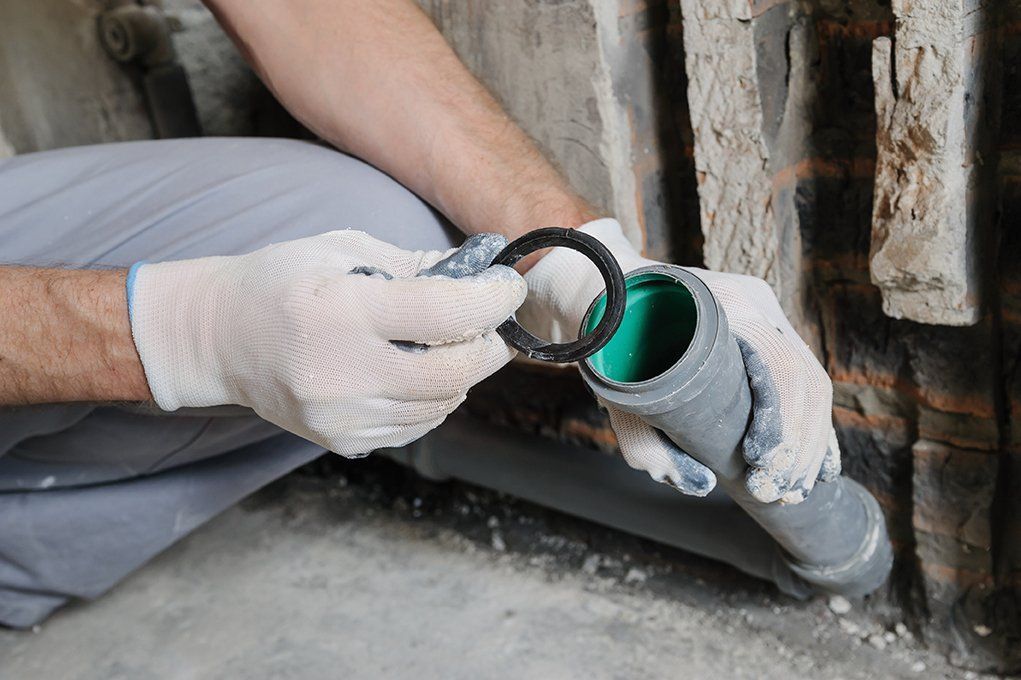
- Aging pipes: Many older Palm Beach County homes still have cast iron or clay sewer lines that crack, corrode, or collapse over time.
- Grease and debris buildup: Cooking grease, wipes (even "flushable" ones), hair, and food waste accumulate and narrow the pipe until it clogs.
- Flat or poorly graded lines: Waste needs the right slope to flow. Bellied or improperly graded lines let solids settle and build up.
A Simple Home Maintenance Schedule
You don't need to be a plumber to dramatically lower your risk. Follow this routine:
Every day/week:
- Never pour grease or oil down the drain — collect it and throw it away.
- Use drain strainers in sinks and tubs to catch hair and food.
- Flush only toilet paper. Wipes, paper towels, and hygiene products do not break down.
Monthly:
- Run hot water through kitchen drains after heavy use.
- Watch for slow drains and address them early rather than waiting.
Seasonally (especially before the summer rainy season):
- Have high-use drains cleaned if you've noticed any slowing.
- Clear debris from any yard cleanouts and keep them accessible.
Every 1–2 years (or sooner for older homes):
- Consider a professional drain cleaning and, for homes with a history of clogs or nearby trees, a sewer camera inspection to catch root intrusion or pipe damage before it becomes a backup.
Early Warning Signs of a Sewer Problem
Catch these early, and you can often avoid a full backup:
- Multiple drains are slow at the same time (a sign the main line, not one fixture, is the problem)
- Gurgling sounds from toilets or drains
- A toilet that bubbles or drops in level when you run the washing machine or a sink
- Sewage odors indoors or near yard cleanouts
- Water backing up in a tub or shower when you flush
If you notice several of these, stop using water and call a plumber before a backup occurs.
What to Do If a Backup Starts
- Stop running water immediately — every flush and faucet adds to the backup.
- Keep people and pets away from any sewage water; it's a health hazard.
- Don't use drain chemicals on a main-line clog — they rarely work and can damage pipes.
- Call a licensed plumber. A professional can clear the line and use a camera to find out why it happened so it doesn't repeat.
How a Professional Prevents Repeat Backups
When you've had a backup or recurring clogs, clearing the immediate blockage isn't enough — you need to know why. Our professional drain cleaning uses hydro-jetting to scour the pipe walls clean (not just punch a hole through the clog), and our sewer camera inspection shows exactly what's inside your line: roots, grease, cracks, or a bellied section. That way we fix the actual cause. For homes with failing cast iron or root-infiltrated lines, we'll walk you through longer-term options honestly.
Protect Your South Florida Home
A little prevention goes a long way toward avoiding the mess, cost, and health risk of a sewer backup. If it's been a while since your drains were checked — or you've noticed any of the warning signs above — Certified Plumbing Solutions serves Palm Beach Gardens, Jupiter, Jupiter Farms, and Wellington with drain cleaning and sewer inspections. Call 561-814-8001.
Frequently Asked Questions
How often should I have my sewer line inspected?
For most homes, every 1–2 years is reasonable; older homes or homes with nearby trees or a history of clogs may benefit from more frequent inspections.
Are "flushable" wipes safe for my plumbing?
No. Despite the label, wipes don't break down like toilet paper and are a leading cause of clogs and backups. Only flush toilet paper.
Does heavy rain really cause sewer backups?
It can. Saturated ground and overwhelmed municipal systems during South Florida's rainy season can contribute to backups, especially in older or low-lying homes.
Ready to Protect Your Drains Before the Next Rainy Season?
Prevention is always less expensive than cleanup. Whether you've noticed a slow drain, heard gurgling from your toilet, or simply haven't had your sewer line looked at in a few years, it's worth getting ahead of it — especially with South Florida's rainy season putting extra pressure on home plumbing systems.
Certified Plumbing Solutions serves Palm Beach Gardens, Jupiter, Jupiter Farms, and Wellington with professional drain cleaning and sewer camera inspections. We'll tell you honestly what we find and what it takes to fix it.
Call us at 561-814-8001 or click below to schedule.
You might also like